
Exercise invigorates the body and the mind, helping ourselves and our horses feel refreshed and revitalized. However, a hard work out can leave our horses sore for a day or two. How quickly a horse will recover from a hard ride is influenced by several factors, including nutritional support. When your horse is experiencing routine muscular soreness from exercise, there are steps the horse owner can take to support muscular recovery and minimize occasional muscular soreness.
>
-
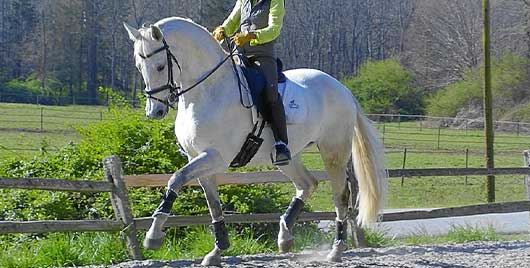
Nutrition to Promote Equine Performance and Recovery
-
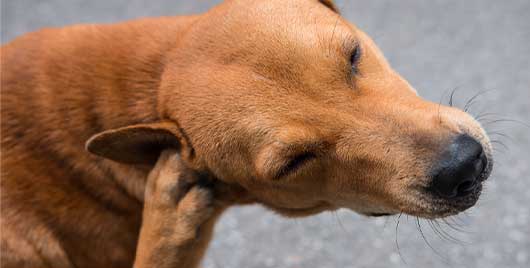
Supporting a Dog with Sensitive Skin
Does your dog have sensitive skin? Occasional or seasonal allergies? These are topics worth exploring when it comes to your happy canine. The first step is to become aware of your dog’s skin. > -
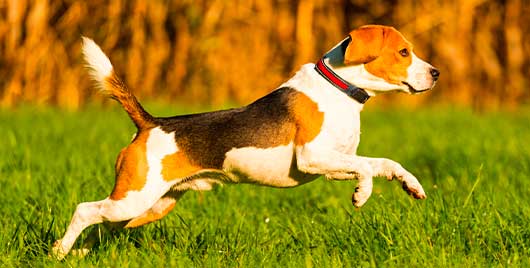
Occasional Canine Stiffness? Be Proactive!
You want to proactively be supporting your dog’s love of jumping, running, and playing. To do that, consider supplementation that will help maintain healthy cartilage and joint function. Why? Because dogs are like people! With the addition of many doggy birthdays comes more use of those jumping joints. > -

What is Agility?
Agility first appeared in England in 1978, as essentially a half time show at Crufts. The creators based the demonstration on horse jumping competitions, intending to show off the dogs’ natural speed and agility. Dog owners and trainers looking for something new to do with their pets pricked up their ears and said, “Hey, MY dog could do that.” Thus, the sport was born. > -
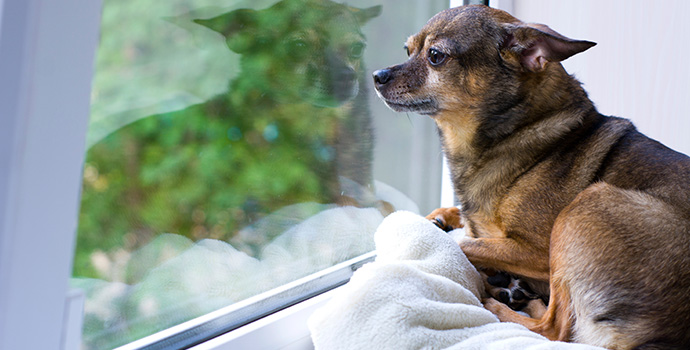
How to Prepare Your Dog for Back to School
As you get the kids ready for school and pick up all the supplies, your dog may be the last thing on your mind. The truth is, your dog will notice! It pays to take a moment to understand how your pup will experience this schedule transition for the family. > -
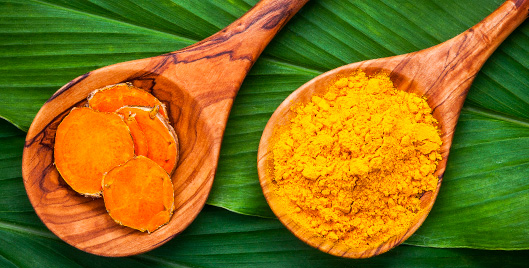
The Inside Scoop on Curcumin for Equine Athletes
Curcumin can make an incredible difference in the health of your equine athlete. But first it’s important to understand what you should look for in a product to make sure your horse is benefitting from the best curcumin available. > -
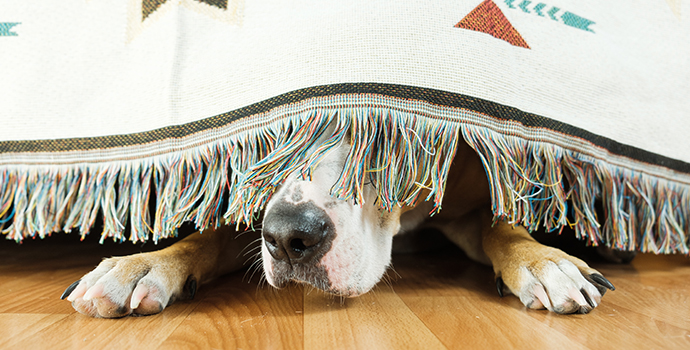
Why Do Dogs Fear Fireworks and How You Can Help
Does your dog fear fireworks? Does he try to hide, start shaking, or lay his ears back and give you a look that seems to say, “Make it stop!”? Other signs of fear include whining, barking, howling, shivering, and cowering. You may notice that some dogs are terrified, while others don’t give fireworks or thunderstorms a second thought. > -
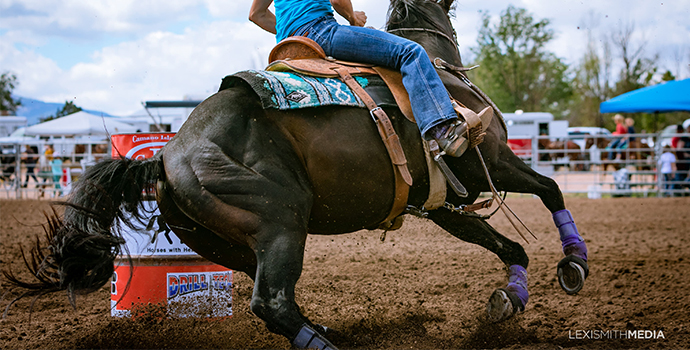
Equestrian Photography
When horses come to mind, most people think of the peaceful four-legged creatures grazing in a pasture. But we horse lovers know that our animals can be quite large goofballs and incredible athletes, sometimes in the same moment. Every photo I take I try to capture the personality and athleticism of the horses, whether I’m in the arena or taking a portrait in the barn. > -
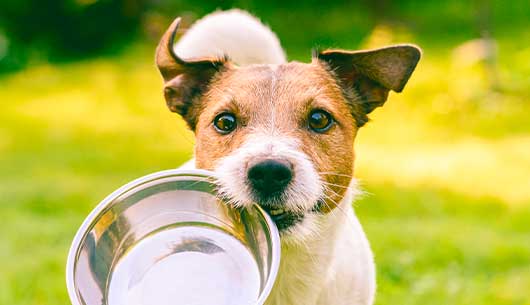
Behavior Beyond Training—The Gut Connection
Your dog’s gut health can affect their behavior. Recent studies on dogs have shown that a healthy microbiome in a dog—the vast ecosystem of bacteria, fungi, and viral organisms in their digestive tracts—can make a significant difference in their behavior. > -
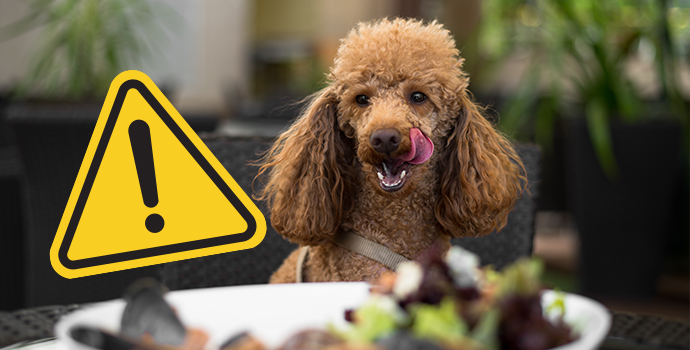
Be Aware! It’s National Pet Poison Prevention Month
One of the best things about National Pet Poison Prevention Month is how it brings awareness to some seemingly harmless items in our everyday life that are poisonous to our pets. > -
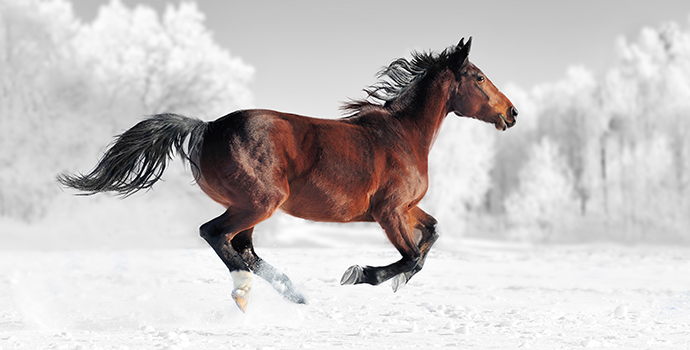
A Long Life & Curcumin for Horses
Did you know that the lifespan of horses has changed dramatically since the 1900s? Horses used to start working before the age of two, be in service for long hours, and work extremely hard, day in and day out. > -
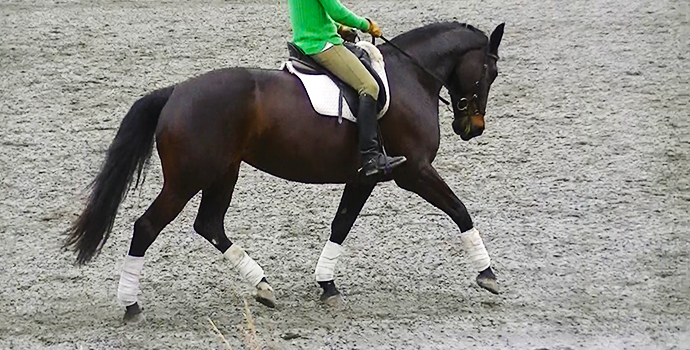
Understanding Aiding: Part III–Connection
So often in dressage we hear, “inside leg to outside rein.” Just as common is a lack of understanding on how to achieve this connection, or what it is supposed to feel like. My first three articles covered balance, rhythm, and suppleness for both the horse and rider. A basic understanding of these principles, and the ability to apply them in your daily riding routine, is necessary to successfully developing an inside leg to outside rein connection. I encourage you to review the previous articles if the material isn’t second nature to you by now. >