
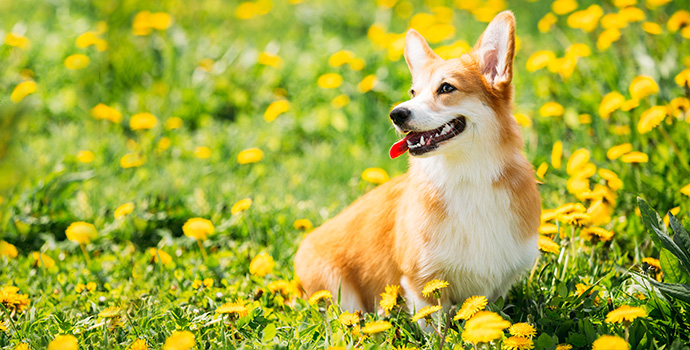
Spring! We love the arrival and want our dogs to enjoy the season. Along with the fresh air comes the opportunity to be aware of some dangers of the season. Don’t miss these timely tips that will encourage a safe spring for your best buddy!
5 Important Reminders
- Pets can overheat. Get in the habit of never leaving your dog alone in the heat, ever. This includes your vehicle, or outside. Even on a mild spring day your car can warm to dangerous levels for your pup, especially if parked in the sun. Don’t allow yourself any exceptions.
- Holiday celebrations can mean extra chocolate in your home. Make sure your dog doesn’t have access to the sweet treat. If you leave it up to them, they will chow down.
- The word “pests” takes on new meaning in spring as biting bugs can be a great nusiance for your dog. Ticks left unattended are very dangerous. Regularly check for ticks and follow the recommended removal procedures.
- Your dog may not be at peak physical condition. Loss of muscle tone and weight gain can happen over the winter. Take the time to let your dog build-up to the longer hikes you have in mind.
- How old is your dog’s everyday equipment? Is there a tear in their leash, harness, or collar? Putting off updating the items they use so frequently is a mistake that can result in a catastrophe.
5 Newer Things to Know
- Skip throwing sticks from your yard as a game. That stick can contain mold, leave splinters in your dog’s mouth, and cause problems in the digestive tract. Stick to real dog toys for play.
- Love the idea of an outdoor café shared water bowl for dogs? Seems nice at first, but then imagine you sharing the same glass of water with everyone in the restaurant. Eeek! Bring water for your dog, and skip the shared water bowl. Out for a hike? Never let your dog drink from a puddle or a lake –or any stagnant water source. The possibility of bacterial infection can lead to kidney and liver damage.
- We all love to see a dog hanging out the window—instant smile! But, we now know through safety reporting this is not the best for your dog. Secure your furry friend in a crate or a dog-specific seat belt. Never let a dog ride on your lap or ride in the back of a pick-up truck.
- Your dog may start to experience seasonal allergies. Pollin, dust, and mold can be common triggers that lead to excessive scratching, sneezing, and coughing. In addition to respiratory issues, there can be problems from pets eating plants and flowers. With a little research, you can find all the poison plants to avoid, which includes azaleas and rhododendrons. Also, be aware of the danger to your pet from fertilizers, insecticides, and herbicides. With any suspicion of ingesting anything dangerous, go straight to the vet!
- Ever think of your dog and sunburn? It’s a real possibility. Dogs with white coats or pale skin around their nose are susceptible—including dogs who lay close to a sunny area in your home. Limit the sun time, or take advantage of the protective clothing which now exists for animals who are in the sun.
Spring! We love the arrival and want our dogs to enjoy the season. Along with the fresh air comes the opportunity to be aware of some dangers of the season. Don’t miss these timely tips that will encourage a safe spring for your best buddy!
5 Important Reminders
- Pets can overheat. Get in the habit of never leaving your dog alone in the heat, ever. This includes your vehicle, or outside. Even on a mild spring day your car can warm to dangerous levels for your pup, especially if parked in the sun. Don’t allow yourself any exceptions.
- Holiday celebrations can mean extra chocolate in your home. Make sure your dog doesn’t have access to the sweet treat. If you leave it up to them, they will chow down.
- The word “pests” takes on new meaning in spring as biting bugs can be a great nusiance for your dog. Ticks left unattended are very dangerous. Regularly check for ticks and follow the recommended removal procedures.
- Your dog may not be at peak physical condition. Loss of muscle tone and weight gain can happen over the winter. Take the time to let your dog build-up to the longer hikes you have in mind.
- How old is your dog’s everyday equipment? Is there a tear in their leash, harness, or collar? Putting off updating the items they use so frequently is a mistake that can result in a catastrophe.
5 Newer Things to Know
- Skip throwing sticks from your yard as a game. That stick can contain mold, leave splinters in your dog’s mouth, and cause problems in the digestive tract. Stick to real dog toys for play.
- Love the idea of an outdoor café shared water bowl for dogs? Seems nice at first, but then imagine you sharing the same glass of water with everyone in the restaurant. Eeek! Bring water for your dog, and skip the shared water bowl. Out for a hike? Never let your dog drink from a puddle or a lake—or any stagnant water source. The possibility of bacterial infection can lead to kidney and liver damage.
- We all love to see a dog hanging out the window—instant smile! But, we now know through safety reporting this is not the best for your dog. Secure your furry friend in a crate or a dog-specific seat belt. Never let a dog ride on your lap or ride in the back of a pick-up truck.
- Your dog may start to experience seasonal allergies. Pollin, dust, and mold can be common triggers that lead to excessive scratching, sneezing, and coughing. In addition to respiratory issues, there can be problems from pets eating plants and flowers. With a little research, you can find all the poison plants to avoid, which includes azaleas and rhododendrons. Also, be aware of the danger to your pet from fertilizers, insecticides, and herbicides. With any suspicion of ingesting anything dangerous, go straight to the vet!
- Ever think of your dog and sunburn? It’s a real possibility. Dogs with white coats or pale skin around their nose are susceptible—including dogs who lay close to a sunny area in your home. Limit the sun time, or take advantage of the protective clothing which now exists for animals who are in the sun.