
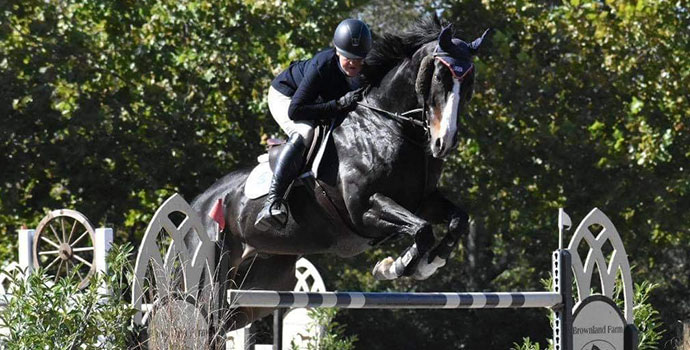
In the quest for constant improvement, riders often seek the continued training of leading experts in their respective disciplines. But what makes a good trainer? While many are quick to answer “a trainer who is well-known,” finding a trainer who will help you excel in the short–and long-term is more complicated than booking a session with the highest profile person you can locate.
Distilled through conversations, research, and personal experience, the following are points all riders should think about when making the decision to engage a trainer.
- Goals: Start with your goals. Do you want to strengthen skills in your current discipline or expand into new areas? For example, many Hunter Jumper equestrians extend their training to include Dressage or Natural Horsemanship as a different approach to strengthening their performance over jumps. Being clear on your goals will help you outline what type of trainer you need.
- Credentials: Leaning into your goals, search for a trainer who has strong qualifications, ongoing education in their stated discipline, and robust accomplishments. Trainers who themselves are committed to growth will provide you with a more dedicated, well-rounded training experience.
- Reputation: The training world tends to be like a large family and working with a trainer who has a good reputation with other trainers and professionals in the industry is a must. The trainer you select should also have a strong reputation of honesty. Many in the industry know all too well that not every trainer has the best of intentions. Remember, you will be using this trainer’s name to support your own brand, so it’s essential to ensure the trainer you choose is highly regarded and respected by their peers.
- Communication: The industry is not short on stories of trainers who may excel in their discipline but are unable to effectively communicate with their clients. Excellent communication is a non-negotiable. Make sure the trainer you select can work with you effectively to discuss your mutual goals, expectations, and needs.
- Recognition: Yes, engaging with a trainer whose name is well-known as a rider in their discipline is a good starting place. These trainers are often able to provide a wealth of knowledge and expertise to help you push yourself to the next level because they have “been there and done that.” However, personal accomplishment doesn’t always translate into exceptional training skills. You need to look at all of the elements that make a good trainer when making a decision.
While finding a trainer for your own needs can feel overwhelming, it doesn’t need to be. In fact, it can be inspirational. Every interaction is an opportunity for you to learn and to fold those learnings into your own training approach and program. And remember, have fun while you explore options. A little bit of humor goes a long way no matter if you’re training, being trained, or expanding your equestrian experiences–in and out of the ring.
In the quest for constant improvement, riders often seek the continued training of leading experts in their respective disciplines. But what makes a good trainer? While many are quick to answer “a trainer who is well-known,” finding a trainer who will help you excel in the short–and long-term is more complicated than booking a session with the highest profile person you can locate.
Distilled through conversations, research, and personal experience, the following are points all riders should think about when making the decision to engage a trainer.
- Goals: Start with your goals. Do you want to strengthen skills in your current discipline or expand into new areas? For example, many Hunter Jumper equestrians extend their training to include Dressage or Natural Horsemanship as a different approach to strengthening their performance over jumps. Being clear on your goals will help you outline what type of trainer you need.
- Credentials: Leaning into your goals, search for a trainer who has strong qualifications, ongoing education in their stated discipline, and robust accomplishments. Trainers who themselves are committed to growth will provide you with a more dedicated, well-rounded training experience.
- Reputation: The training world tends to be like a large family and working with a trainer who has a good reputation with other trainers and professionals in the industry is a must. The trainer you select should also have a strong reputation of honesty. Many in the industry know all too well that not every trainer has the best of intentions. Remember, you will be using this trainer’s name to support your own brand, so it’s essential to ensure the trainer you choose is highly regarded and respected by their peers.
- Communication: The industry is not short on stories of trainers who may excel in their discipline but are unable to effectively communicate with their clients. Excellent communication is a non-negotiable. Make sure the trainer you select can work with you effectively to discuss your mutual goals, expectations, and needs.
- Recognition: Yes, engaging with a trainer whose name is well-known as a rider in their discipline is a good starting place. These trainers are often able to provide a wealth of knowledge and expertise to help you push yourself to the next level because they have “been there and done that.” However, personal accomplishment doesn’t always translate into exceptional training skills. You need to look at all of the elements that make a good trainer when making a decision.
While finding a trainer for your own needs can feel overwhelming, it doesn’t need to be. In fact, it can be inspirational. Every interaction is an opportunity for you to learn and to fold those learnings into your own training approach and program. And remember, have fun while you explore options. A little bit of humor goes a long way no matter if you’re training, being trained, or expanding your equestrian experiences–in and out of the ring.